To More Inquiry
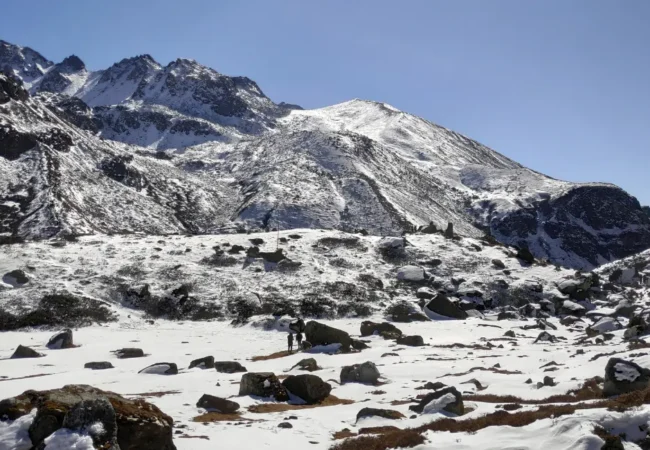
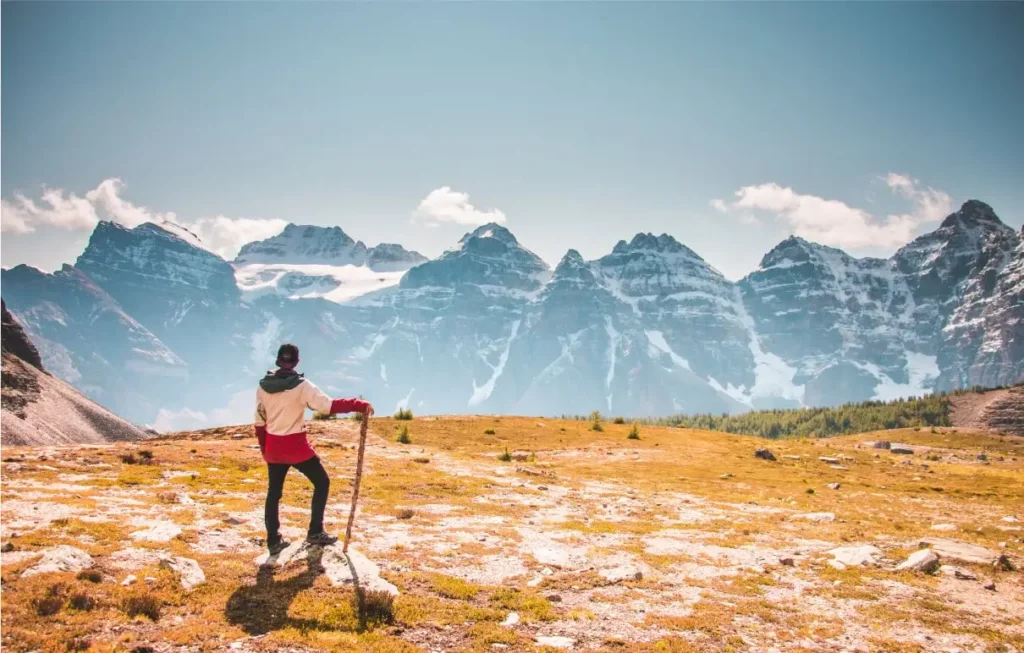
The road from Gangtok to Tsomgo Lake and Nathula Pass is one of Sikkim’s most striking high-altitude journeys. The landscape changes quickly as the road climbs — forests give way to rocky slopes, cold winds and open mountain terrain.
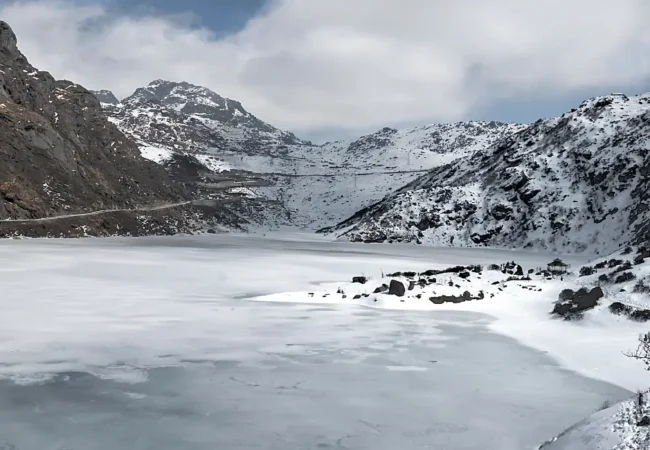
Tsomgo Lake, also known as Changu Lake, sits at around 12,000 feet and is considered sacred by the people of Sikkim. Further ahead, the route continues towards Baba Harbhajan Singh Memorial and Nathula Pass, one of the historic mountain passes on the India–Tibet border.
This journey gives you a very different side of Sikkim from its towns and valleys.
At Tsomgo Lake, the scenery changes with the seasons — winter can bring snow and frozen surroundings, while warmer months reveal alpine vegetation around the lake. The route further towards Nathula becomes more open and rugged, with dramatic views across the high mountains. citeturn625393search0
Along the way, Kyongnosla Alpine Sanctuary, Sherathang and Baba Harbhajan Singh Memorial add different experiences to the same high-altitude circuit.

The biggest attraction here is the contrast between nature and history.
Tsomgo is a sacred glacial lake, while Nathula Pass carries historical importance as a former trade route between India and Tibet. The pass later became part of the sensitive India–China border region, giving the journey a character that is very different from a normal mountain sightseeing trip. citeturn625393search0turn625393search6
The route also passes through protected high-altitude areas, which helps preserve the alpine landscape around it.


Tsomgo Lake, Baba Mandir and Nathula form one of the most popular East Sikkim sightseeing routes from Gangtok. These areas fall under Sikkim’s Protected Area Permit system, and Nathula access is permitted only for Indian nationals under current government rules. Permits and access remain subject to official approval, weather and road conditions.

Inclusive of Tax
Inclusive of Taxes
Inclusive of Taxes